Taflarium
The Taflarium mark: a faceted polyhedron in cyan and violet light on brushed dark metal.

Tafl is the old Viking board game of siege and escape, and -ium is the Latin ending for a house or a gathering place. Put them together and you get Taflarium:

House of the Gaming Table

We make board, card and dice games for Android. Some are our own designs and some are centuries old.

We're a small independent studio, and we like games played across a table: rolling dice, drawing cards, trying to get one move ahead of the person opposite. Those old mechanics work well on a phone. Later on we want to see how they do in games that change over time, in phone companions for physical games, and in VR and AR.

We plan each game's structure with the Tekmerium approach, and we test balance before we build. The computer plays a ruleset against itself thousands of times, and we fix what the numbers show before any screens exist. The aim is that a game plays fairly from your first turn, whether it is on a phone, a headset or a kitchen table.

Games for people who like the craft of play.
How they play

Two ways to play each board game

Our board games are built for two players, and each comes with two ways to play: pass the phone to a friend beside you, or play the computer. Every computer opponent's strength has been measured in test games.

Online play is a big job, so we will build it if players ask for it. If you play the games and want something added, tell us.

A new series

Ancestral Relics

Our series of old games, rebuilt for the phone. Each one gets tested rules, computer opponents at several strengths and a tutorial. So far: Hnefatafl, the Royal Game of Ur, Cribbage and Mancala.

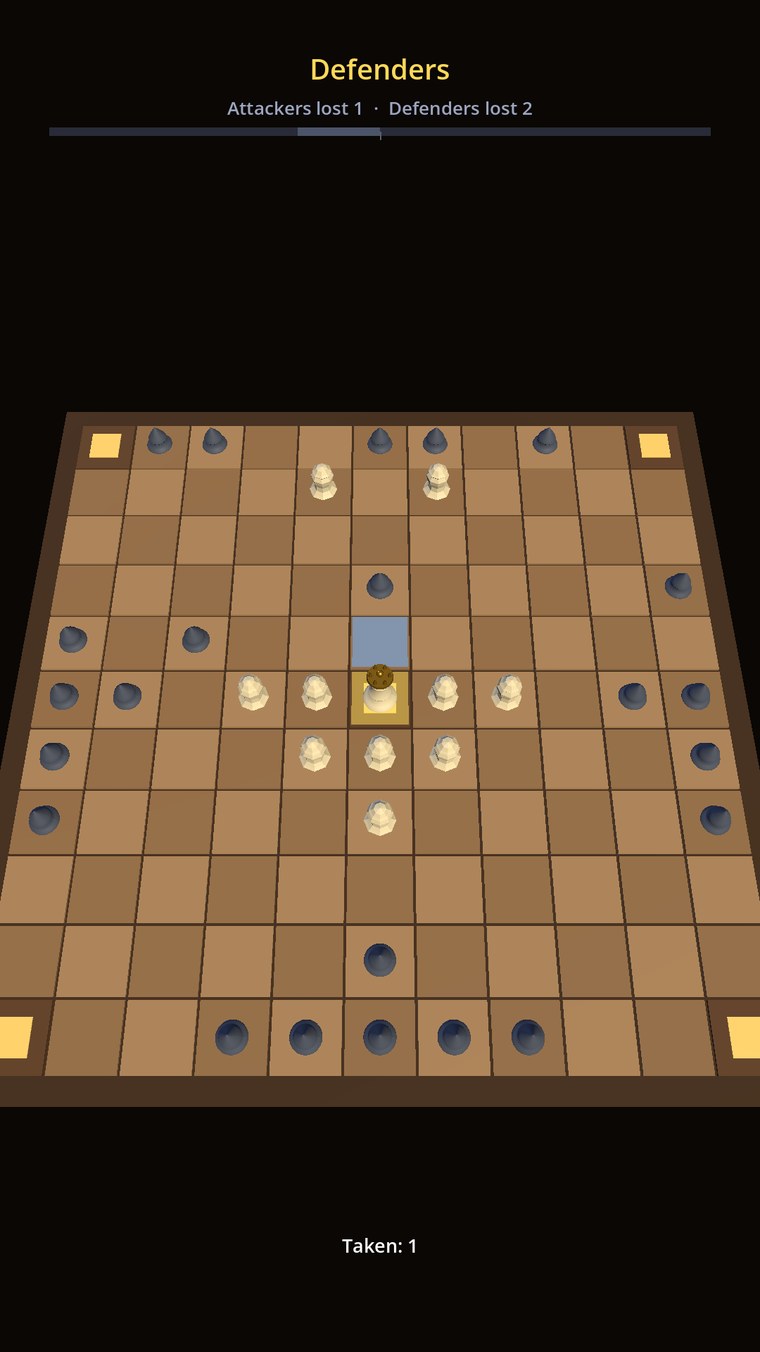
A Hnefatafl match on an 11-by-11 wooden board: a defender selected with its legal moves lit, dark raiders closing in from the edges.
Hnefatafl — the king's game, on the Weathered Oak board

Hnefatafl: one king against the board

The Viking siege game. Twelve defenders and their king hold the centre; twenty-four raiders hold the edges. The king wins by reaching a corner, the raiders by walling him in. With different goals, the two sides play very differently.

It is built the same way as Dohyō. Two separate engines play the rules and must agree move for move. There are four opponents of measured strength and a tutorial, and you can drag to turn the board.

Royal Game of Ur: a race with a fight in the middle

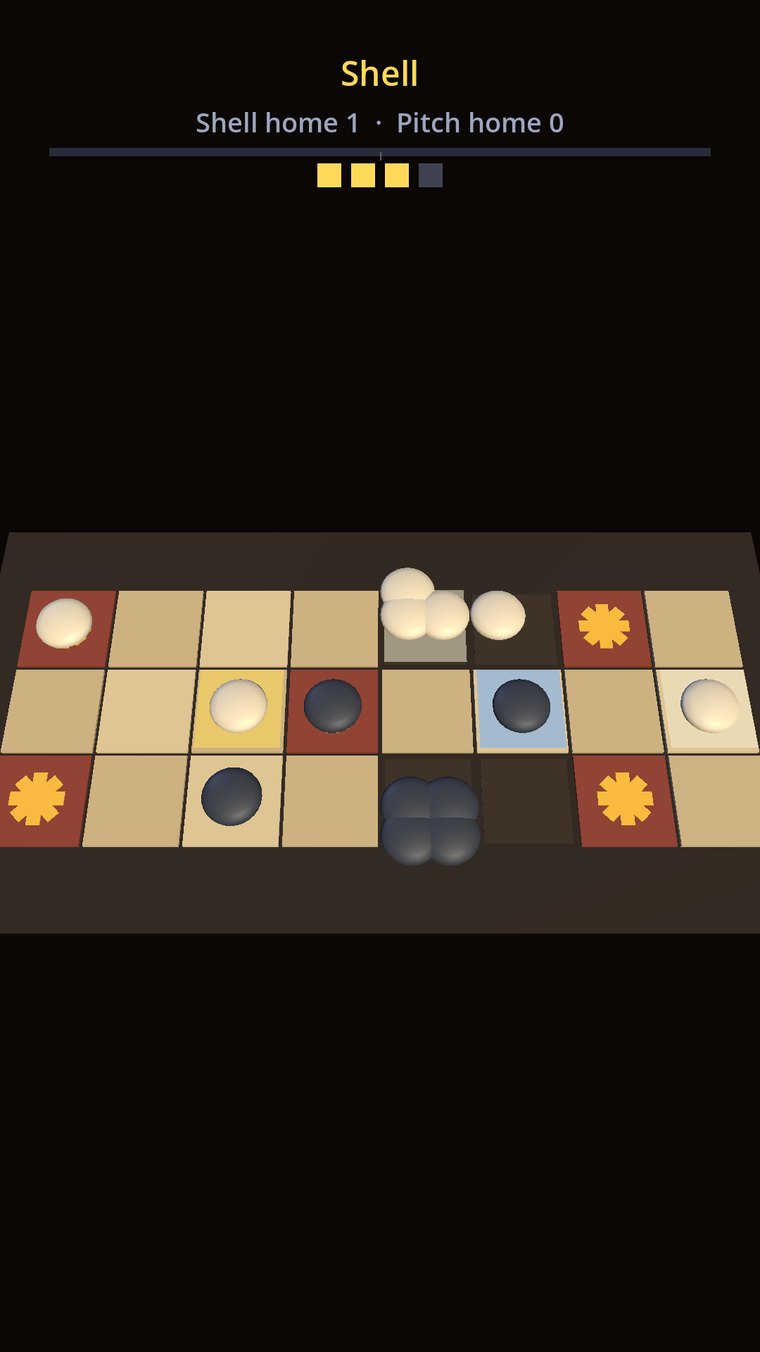
Seven counters a side, twenty squares, four lots to throw. Your road and your opponent's share the eight squares down the middle, and that is where the fighting happens. Land on an enemy counter and it goes home. A counter on the middle rosette cannot be taken.

We play it by our own house rules (a nought is thrown again, and a capture earns another throw), chosen after testing the alternatives. The British Museum reconstruction is one switch away in Settings. Two engines agree across 63,536 moves, and there are four opponents of measured strength and a tutorial.

A Royal Game of Ur match on a wooden board: light and dark counters along the three rows, a light counter selected with its destination lit, and a throw of three shown above the board.
Royal Game of Ur — a throw of three, mid-race
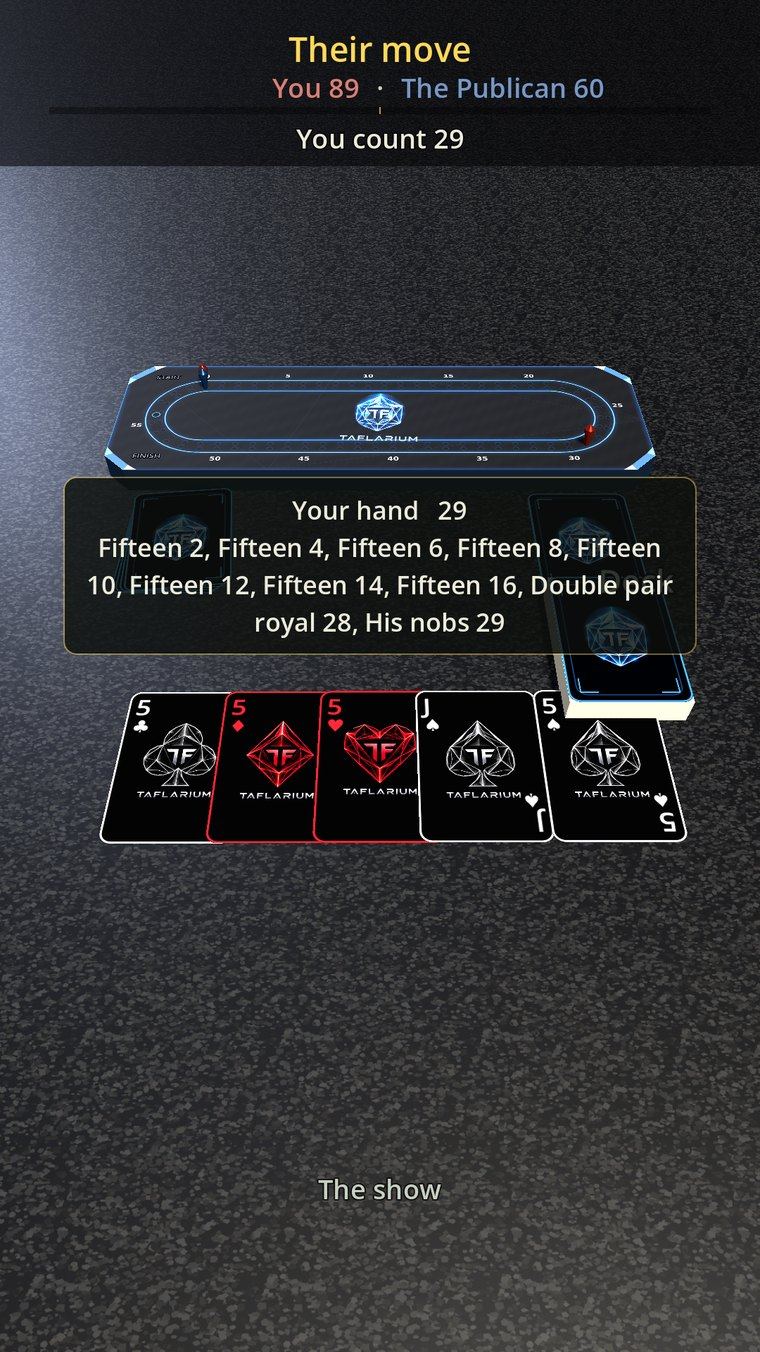
The show in Cribbage: three fives and the jack of spades laid on the table with the five of spades as starter, and a panel above them reading Your hand 29.
Cribbage — the twenty-nine, counted for you

Cribbage: keep four, throw two, count to 31

The pub table game. Six cards each; keep four and throw two to the crib, lay cards on a count that may not pass 31, then count your hand with the starter and peg every fifteen, pair and run.

The game counts your hand for you, with a scorer checked against all 12,994,800 possible hands. The four opponents choose what to throw by working out exact expected value, and the tutorial teaches scoring before you throw. The board and the pack are our own designs.

Mancala: sow the seeds, count the harvest

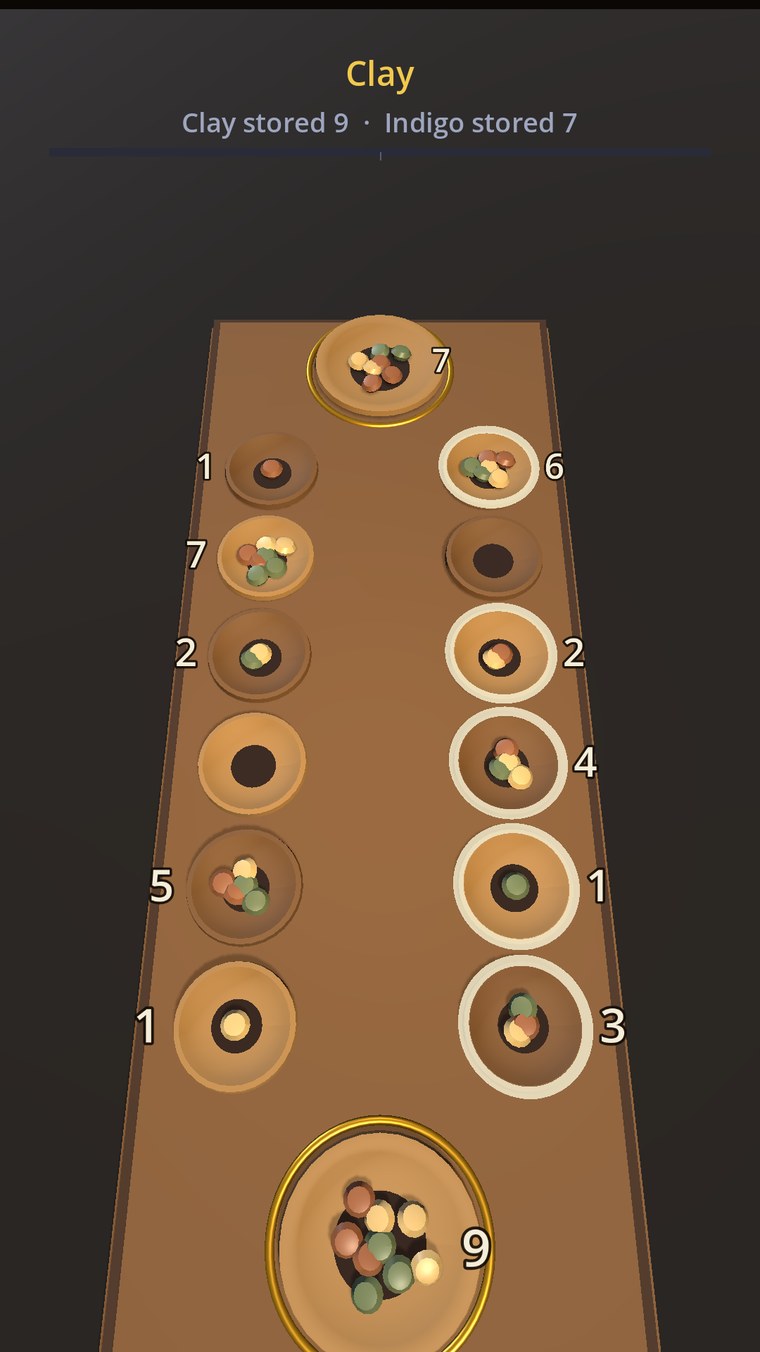
One of the oldest families of board games still played, and easy to pick up: lift the seeds from one of your houses and drop them round the board one at a time. Land your last seed at home and you sow again. Land it in an empty house of your own and you gather the seeds facing it.

Three separate games are included: Kalah, the version most people have played; Oware under Abapa tournament rules; and seven-house Congkak, where a sowing carries on from every occupied house it lands in. You choose between them in Settings, and each is credited to the tradition it comes from.

A Mancala game in progress on a carved wooden board: twelve turned bowls holding coloured seeds, the sowable houses ringed in light, and a larger store at each end.
Mancala — mid-game, with every legal sow lit

Closed testing

Dohyō

A two-player abstract strategy game for Android. Six creature archetypes on a ringed board, played by move, shove and strike. Play a friend on one phone or play the computer. It is in closed testing on Google Play, and it has had five updates since the test began.

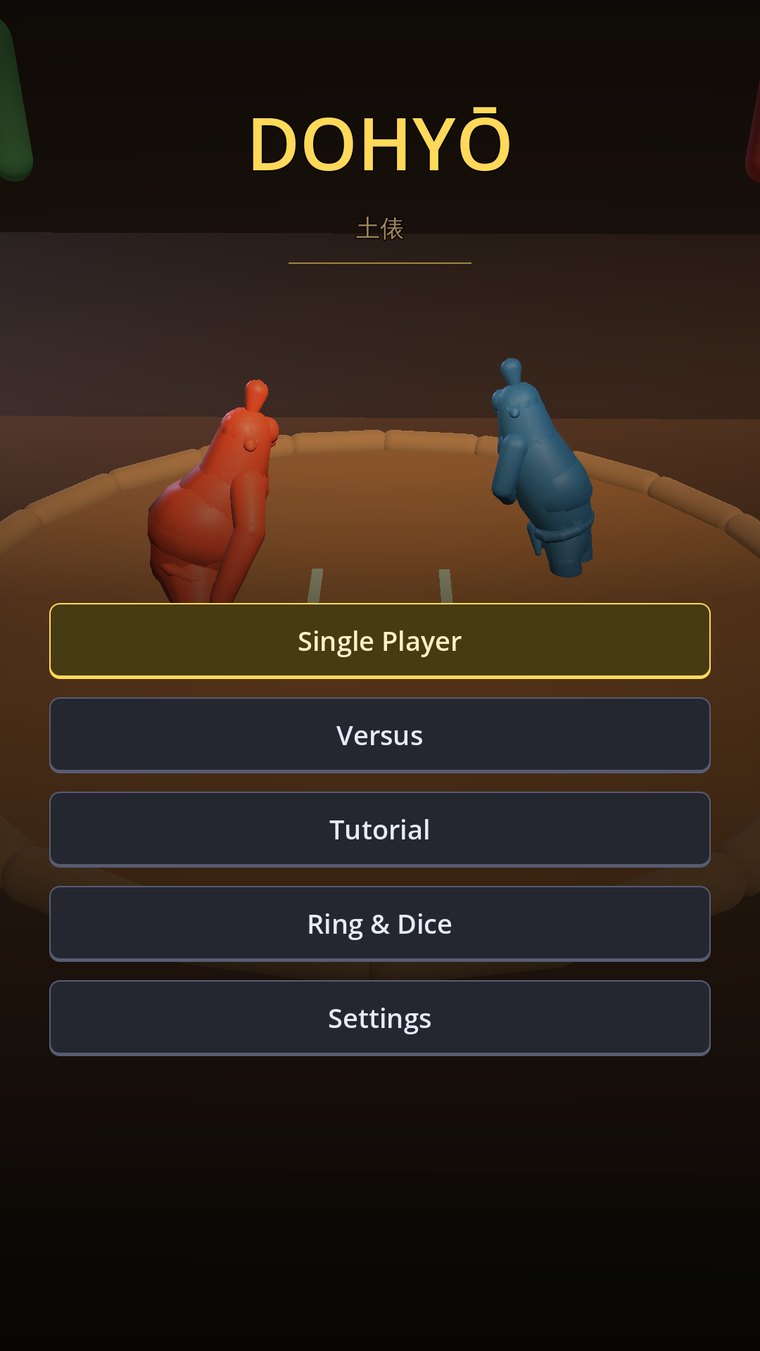
The Dohyō title screen: two wrestlers facing off in a clay ring, with Single Player, Versus, Tutorial, Pieces & Dice and Settings.
The ring, under the Dohyō theme

One ruleset, four worlds

The rules and the look of the game are kept apart. A piece has a movement value and a guard value and no name: every name, model, colour and line of text belongs to the theme. Change the theme and the whole game looks different while the rules stay exactly the same.

A validator checks the separation, so adding a world means writing one data file.

Early exploration

Isle

Our first 2D game, and our first that is not a board game. A ship's crew are stranded on a small island, and rather than take passage home they set about mending their ship. Isle is a working title, and this is an early prototype.

Gather, trade, build, and a board after supper

You pick fruit and gather driftwood and stone, sell to the ships that call at the jetty, and raise a well, a fire pit and a cold store for the camp. A day lasts 24 real minutes, and you sleep in your tent to wait for the next sail.

The crew have brought three of our board games ashore: Nine Men's Morris, the Royal Game of Ur and Hnefatafl, each running on the same rules engine as its own game. Each crewmate teaches you their game and then plays you at it.

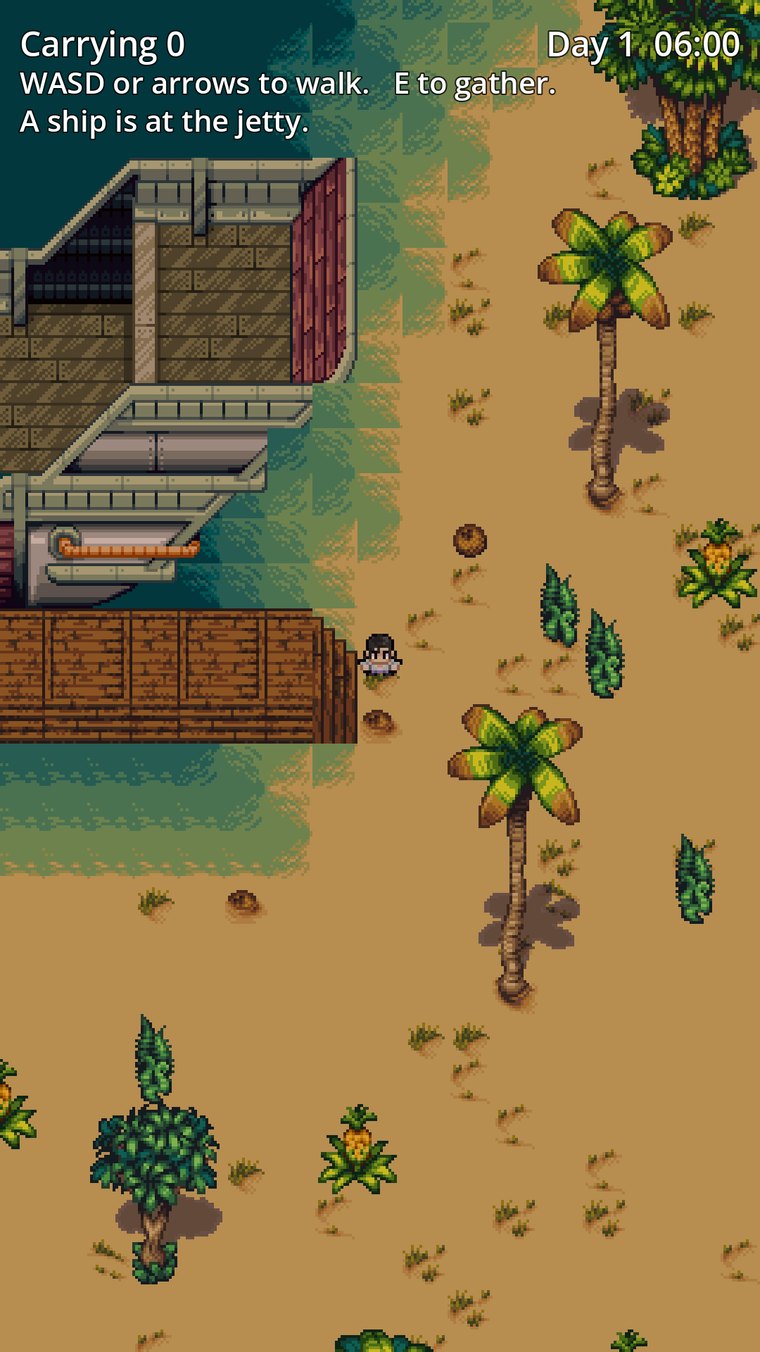
A top-down pixel-art island at six in the morning: a steam trader lies alongside a wooden jetty, palms and pineapples on the sand, and a note in the corner reading A ship is at the jetty.
First light, with the steam trader at the jetty

Early prototype

Diodos Ghost

A cyberpunk tower defence where the path is yours to move. You defend a living city grid by turning its circuit tiles, guided by Wren, the ghost of the engineer who built it. This is an early prototype, drawn in plain shapes.

Every line that powers a turret is a line they can walk

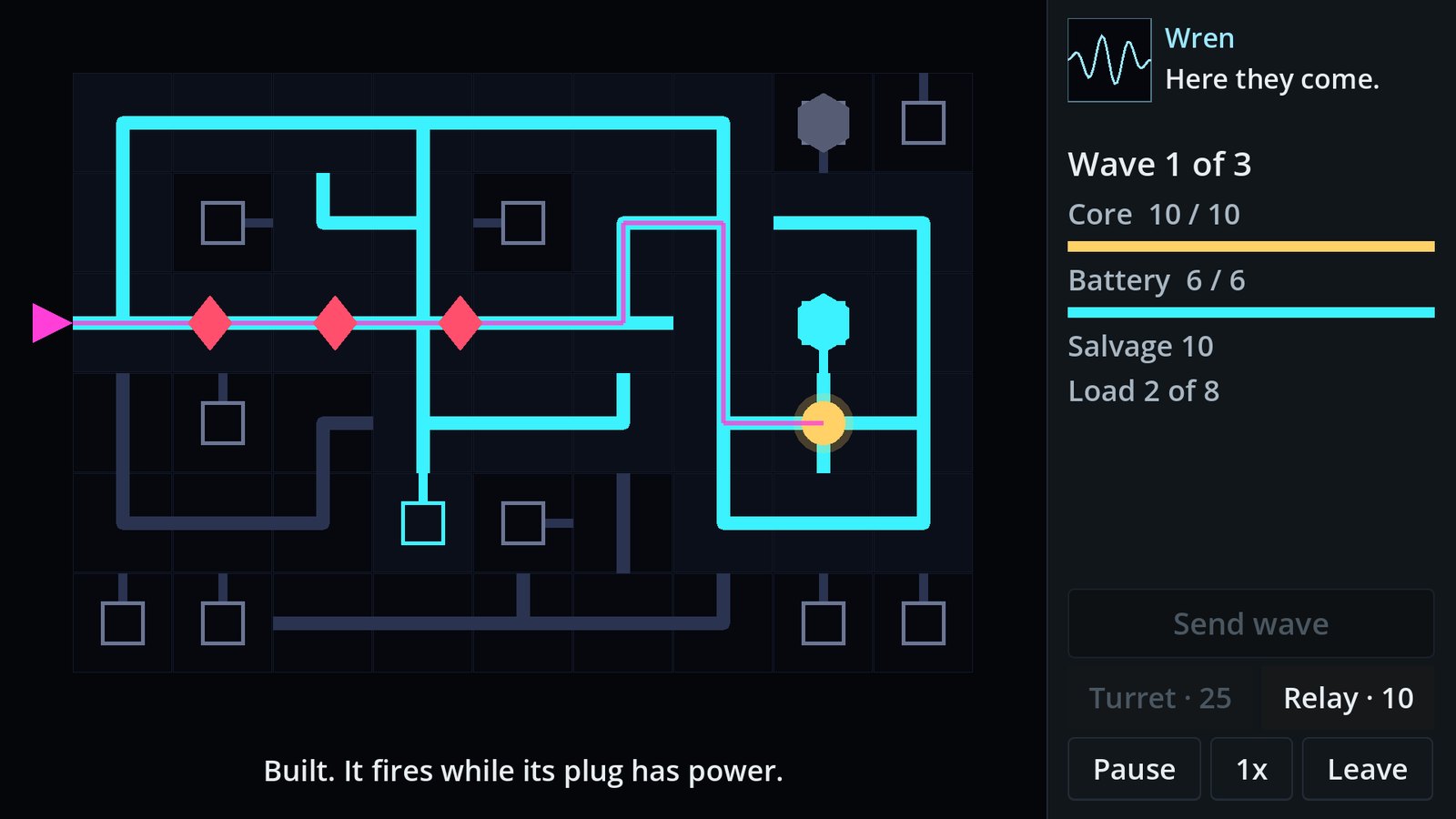
The swarm takes the shortest connected route to the core. Turn a tile and the route changes, with the new one shown before you commit. The same lines carry power, so the turn that lengthens their walk can leave one of your own turrets dark.

The Diodos Ghost prototype: a dark grid of circuit tiles with lit cyan power lines, a magenta route to a gold core, red drones on the route and two hexagonal turrets.
The grey box mid-wave

Balance

What the simulation settled

Before there was anything on screen, the computer played Dohyō's rules against itself thousands of times. These are the figures from those games.

0%Draws across 4,000 games
52.6%First-player win rate, ±1.5
4.5%Spread between archetypes
6Median rounds to a result

No test game ended in a draw. Going first is worth under three points, which is too small to feel at the table. The six archetypes are within four and a half points of each other, so none is a trap and none is an automatic pick.

Studio technology

Bloom

Bloom is our own music engine. It composes each game's soundtrack while you play, so the music keeps going without looping.

One composer for every game

Bloom started in 2006 as a Masters research project into whether software could compose music worth listening to. It sat on a shelf for twenty years until we rebuilt it for the studio. It writes the music for Dohyō, where you can now pick one of seven styles in Settings, and for the games that follow.

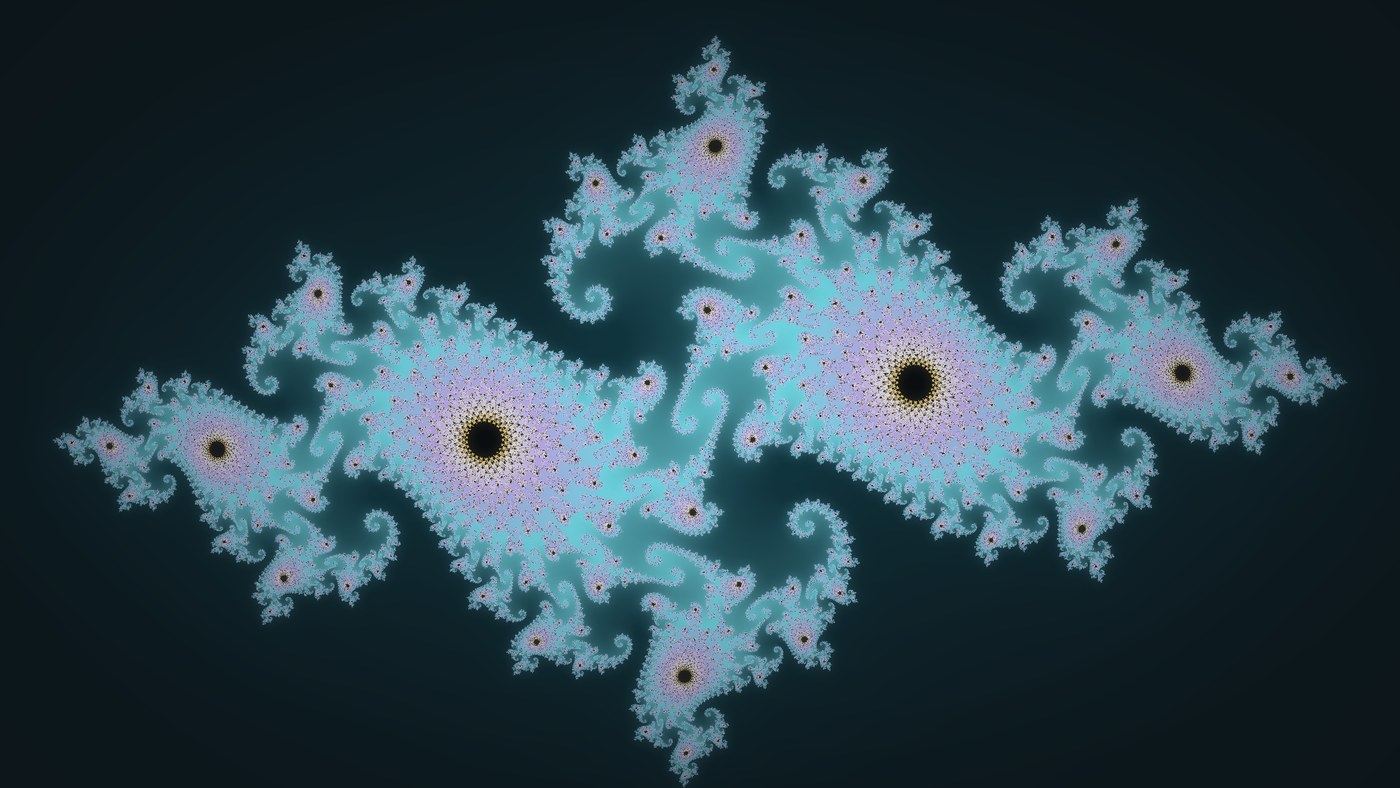
Artwork for the Bloom engine: a luminous form in cyan and violet unfolding like a flower against deep charcoal.
Bloom — first written in 2006

How we work

Three habits

Test it first

Every rule change goes through a test harness before it ships. When the numbers disagree with the design, we change the design. In Dohyō, fixing the round opener removed a three-point lean towards the second player and let us delete a rule.

Write the rules twice

Each game's rules exist twice: a reference version and the version that runs on your phone. A harness plays the same seeded games through both and compares them move by move. For Dohyō they agree on all 31,324 moves checked.

Keep what works

We tried Monte Carlo tree search for Dohyō's opponent first. A simple one-move evaluator beat it 94 games to 6, so the simple one shipped, with a shallow search added.